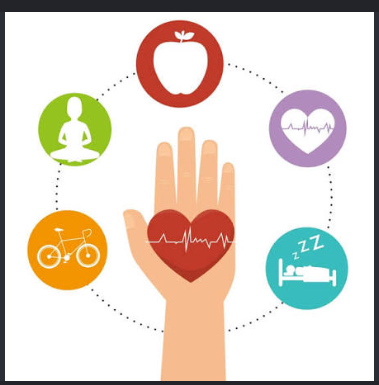
Public health is an important part of national development. It focuses on protecting communities from diseases, improving healthcare services, and encouraging healthy lifestyles. In Pakistan, public health plays a significant role in improving the quality of life of millions of people.
Pakistan faces several public health challenges. These include infectious diseases, maternal and child health problems, malnutrition, air pollution, and limited access to healthcare in some rural areas. Addressing these issues requires cooperation between government institutions, healthcare professionals, and local communities.
One major public health priority is preventing infectious diseases. Vaccination programmes, clean drinking water, proper sanitation, and health education can reduce the spread of many illnesses. Public awareness about handwashing and food hygiene is particularly important.
Maternal and child healthcare also deserves special attention. Pregnant women need proper medical supervision, nutritious food, and access to safe delivery services. Children require vaccinations, balanced diets, and regular health assessments to support healthy growth.
Nutrition is another important concern. Some families experience food insecurity and cannot always afford balanced meals. Public nutrition programmes and community education can help improve awareness about healthy eating and prevent malnutrition.
Air pollution is a growing environmental health concern, particularly in large cities such as Karachi, Lahore, and Faisalabad. Vehicle emissions, industrial smoke, and burning waste can affect respiratory health. Improving public transport, controlling industrial pollution, and increasing green spaces can help create healthier environments.
Mental health awareness is also necessary. People experiencing depression, anxiety, and other psychological difficulties should have access to professional support without discrimination. Educational institutions and workplaces can help by promoting emotional well-being.
Access to affordable healthcare remains essential. Hospitals, clinics, vaccination centres, and trained medical staff should be available to people in both urban and rural communities. Improving healthcare facilities can help reduce preventable illness and deaths.
Schools and universities can contribute through health education programmes. Students should learn about nutrition, exercise, hygiene, disease prevention, and environmental protection.
Government organizations and private healthcare institutions should work together to strengthen public health systems. Regular health surveys, awareness campaigns, and preventive programmes can help identify community needs.
In conclusion, public health is essential for Pakistan’s progress and prosperity. Better healthcare facilities, clean water, proper sanitation, vaccination, and health education can improve the lives of citizens. A healthy population is an important foundation for a strong and developed nation.
Leave a Reply